Why can specialised software read what a checkout scanner cannot?
GeometryLocate the grid and remaining borders.
DataSeparate reliable modules from unknown areas.
ContextUse GTIN, structure and available shipment records.
A checkout scanner is designed to read any code quickly. Its job is speed and standard compliance, not deep forensic analysis.
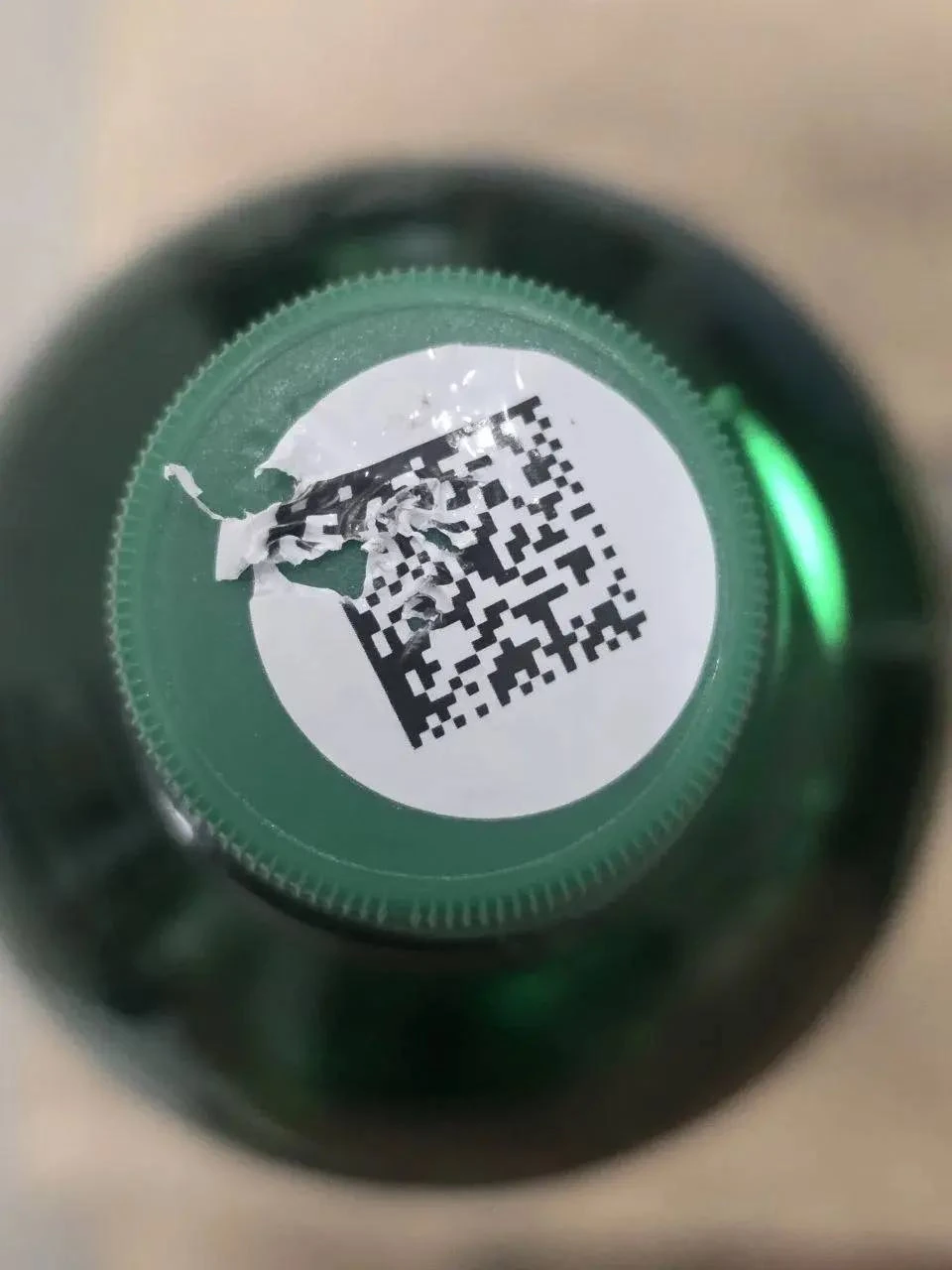
When a symbol is badly damaged, the scanner often stops early. It is not expected to test many alternative grid interpretations or use product-specific assumptions.
Specialised software works differently. It can analyse the distorted finder pattern, reconstruct the grid, mark uncertain modules as unknown and use ECC200 more aggressively.
It also uses context: GTIN, product group, serial-number structure and sometimes shipment knowledge. That external information removes many impossible candidates.
So we are not reading a random 2D symbol from anywhere in the world; we are reading a Chestny ZNAK marking for a known kind of product.
That is why a damaged code can fail at checkout but still be readable by a dedicated recovery workflow.