
Why damage percentage alone does not determine readability
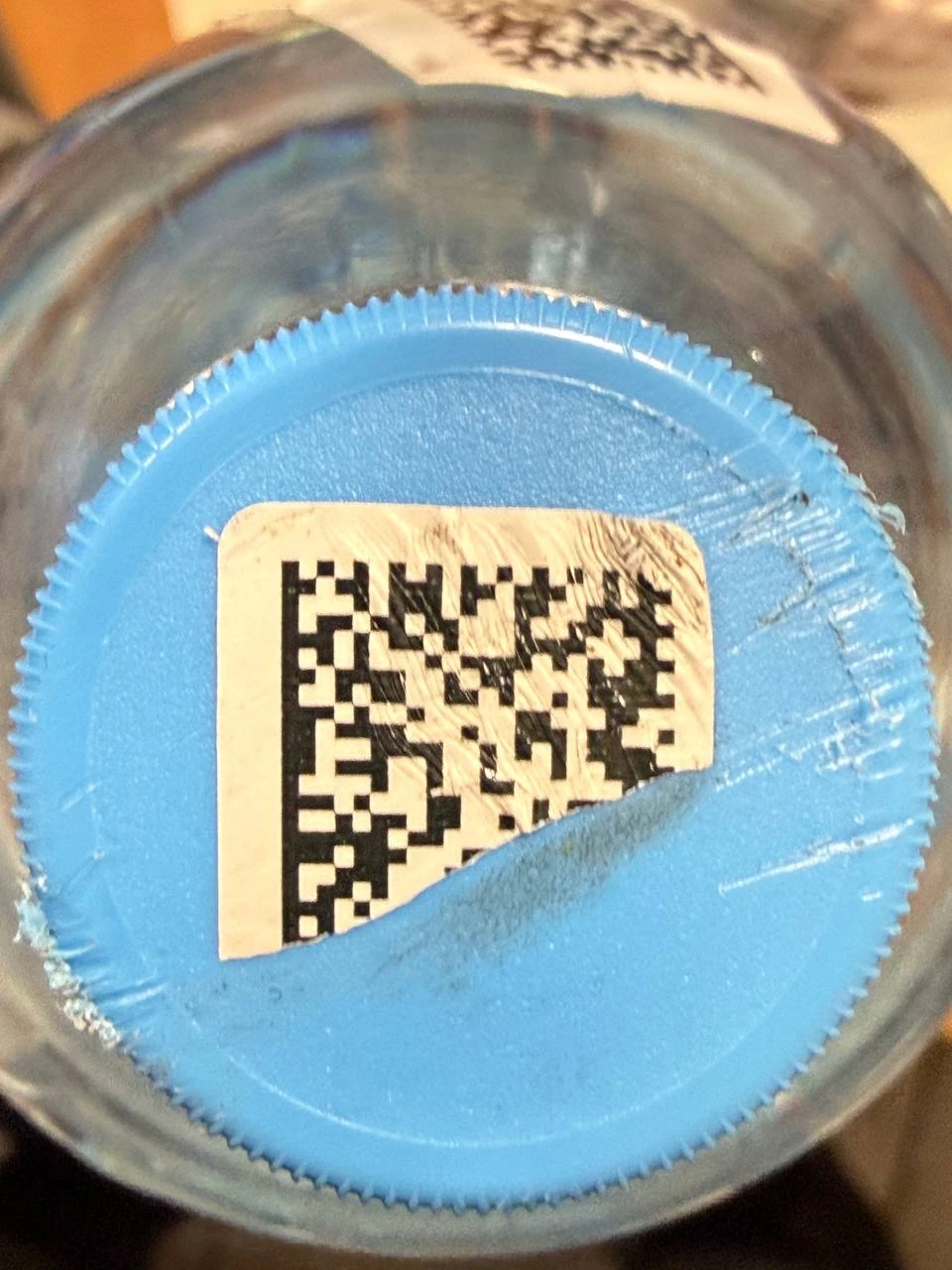
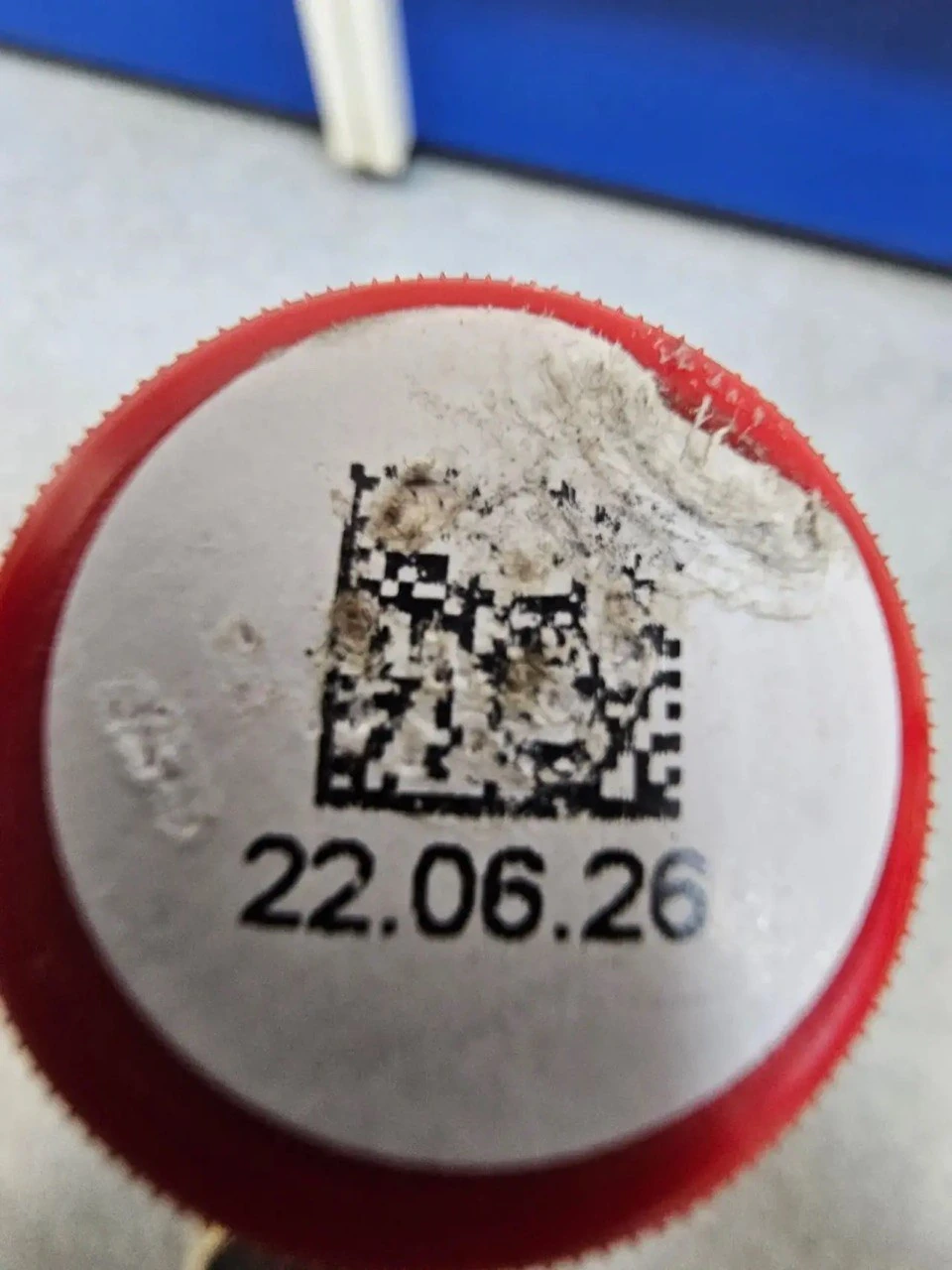
A damage percentage sounds informative, but on its own it is rarely enough. What matters is not only how much is missing, but where that loss occurs.
One large tear on the side may be less harmful than many small scratches spread across the whole symbol. The same visible percentage can affect a different number of independent data groups.
Damage to the finder pattern is especially important because it can prevent correct grid detection even before decoding starts.
There is also a difference between an unknown value and a wrongly read value. If software knows a region is missing, it can use ECC; if it is tricked into accepting wrong data, recovery becomes harder.
That is why “only a small part is damaged” can be misleading, and why an ugly-looking code can sometimes still decode well.
The only reliable conclusion comes from analysing the actual image, not from a rough visual percentage estimate.